
From Dunny Walls to Hospital Wards (Part 2)

3 MIN READ
In part one, the question remained: How do you create artwork for healthcare settings that connects with an entire community, is healing and hopeful and remains timeless?
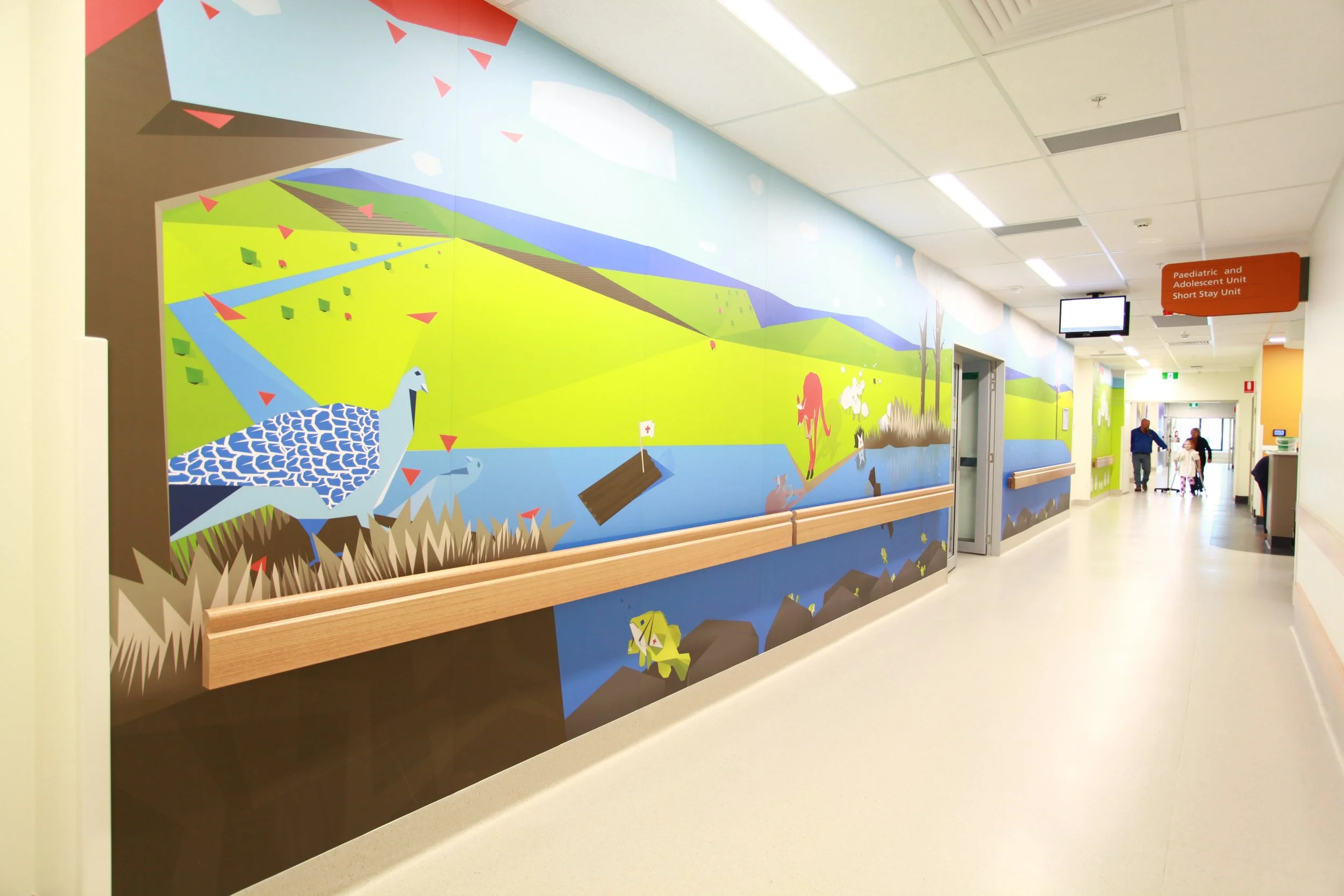
I start with belonging. The ecosystems, narratives, and visual language of the natural world and the communities who belong there are the start, middle and future of each program.
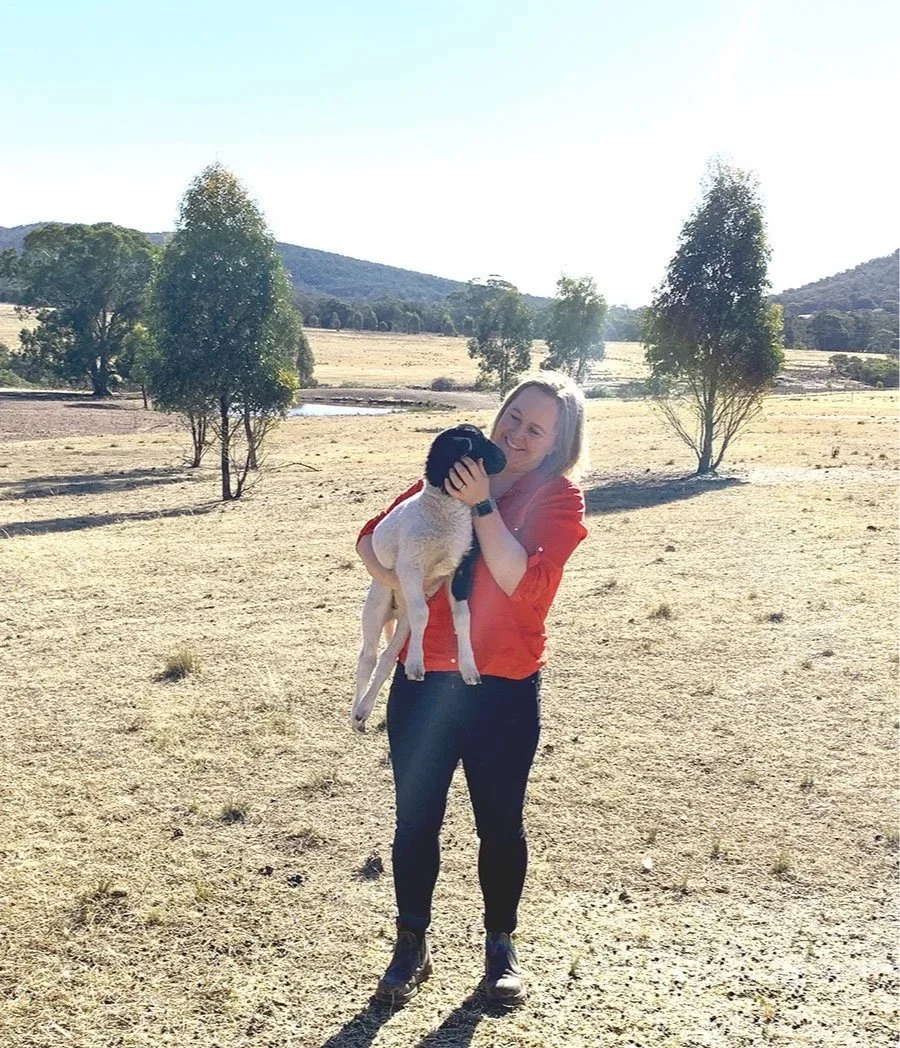
I know this, because living in regional Australia has taught me to be observant and (oh so) patient - watching and listening to the changing sky, reading the land, and understanding the rhythms of the seasons.

I understand that before I begin creating artwork, I must observe how nurses are using the space, listen to patients and families, sit with local Elders and share stories.
Being curious about experiences, what brings comfort, what sparks joy, what feels like home, then informs a visual narrative that resonates deeply.
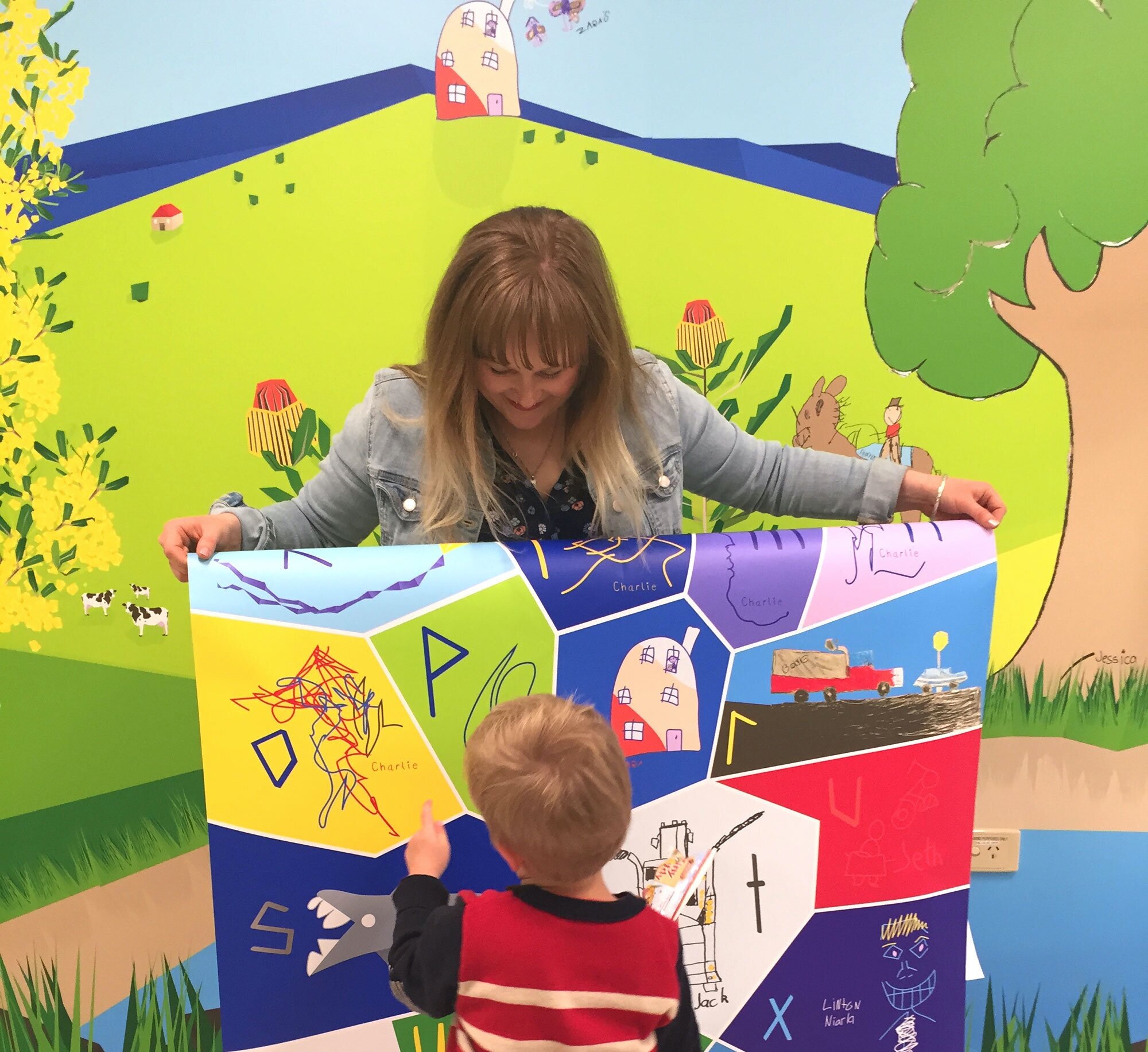
But observation alone isn’t enough. I’ve learned co-creation catapults connection and brings diverse voices together.
A child sees artwork created by other children carefully integrated, and suddenly this clinical space holds something familiar, making an uncertain time feel a little less overwhelming.

This practice aligns with emerging evidence. Research in arts and health backs up what I've learned firsthand as an artist and in my lived experience as a patient.
Art can be a bridge that helps us process emotions. (Source).
Evidence informs intention. Intention guides design. I design the artwork for each space to suit the service delivered, and how people actually use the space. Placement of the artwork is just as important as what it looks like.

So is what it depicts. Bringing the outside in through biophilic design practice helps people maintain connection during their healthcare journey.
When someone recognises familiar gum trees or morning birdsong, the space may seem less clinical. Hidden details also guide them into deeper stories. Ask me about these details in Wagga’s Special Care Nursery next time we catch up!
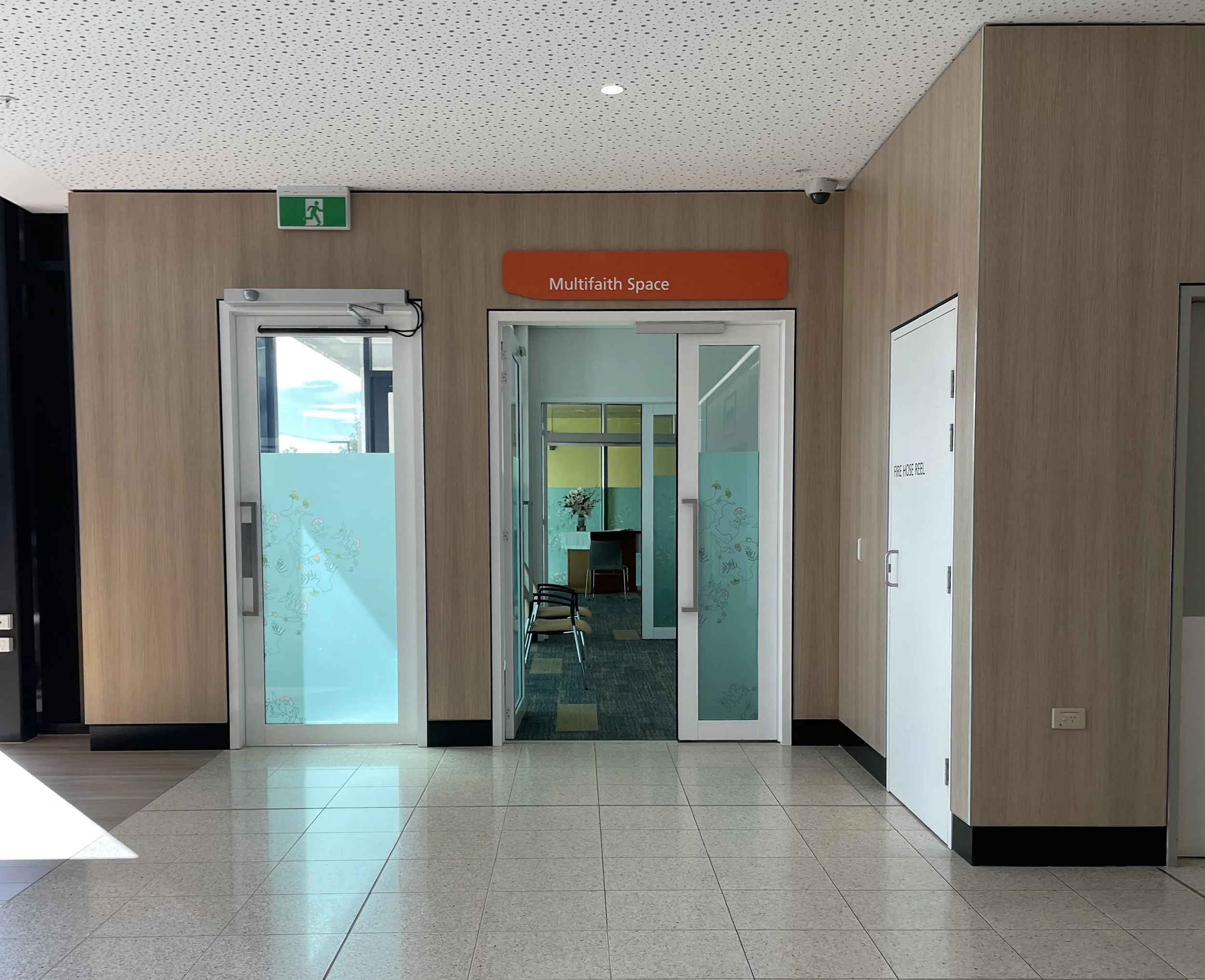
The redeveloped Wagga Base Hospital turns 10 in December 2025. For the last decade, this visual language has expanded into the Special Care Nursery, Rapid Access Clinic, Emergency, and Multi-faith spaces demonstrating that thoughtfully grounded design can remain relevant as healthcare evolves.